There’s a specific kind of panic that hits when you’re reading a granola bar wrapper in the cereal aisle for the third time, turning it over and over, because the label changed since the last box you bought and now you’re not sure if “may contain tree nuts” was there before or if you’re just imagining things. That’s a Tuesday for me.
My youngest was diagnosed with a peanut allergy at 14 months, after a reaction to a spoonful of peanut butter that sent us to urgent care faster than I’ve ever driven anywhere. Since then, every single lunch that leaves my house has gone through a mental checklist that took me a long time to build and still isn’t something I take for granted, even four years later.
I’m not a doctor and this isn’t medical advice — if you’re newly navigating an allergy diagnosis, please work with your pediatrician or an allergist on the medical side of things. What I can share is the actual, practical, day-to-day household stuff: what I pack, what I’ve learned to avoid, and the mistake that scared me enough to change how I do almost everything in my kitchen.
The Part Nobody Warns You About: It’s Not Just About Peanuts
When we first got the diagnosis, I thought the fix was simple, just don’t buy peanut butter. I genuinely believed that for about two weeks.
Then I started actually reading ingredient labels closely and realized peanut traces show up in places that make no logical sense. A brand of chocolate chips we’d used for years. A specific granola bar. Even one brand of plain crackers had a “processed in a facility that also processes peanuts” warning that I’d apparently never noticed in four years of buying that exact box.
The bigger issue isn’t just avoiding peanut butter sandwiches. It’s cross-contamination, shared factory equipment, shared serving utensils at parties, shared cutting boards at home if you’re not careful. That part took me the longest to really internalize.
How I Actually Read Labels Now
I used to just scan for “peanuts” in the ingredient list and call it good. Now I check three separate things on every new product before it comes into the house:
- The ingredient list itself — obviously, but I read the whole thing, not just skim for the word “peanut.”
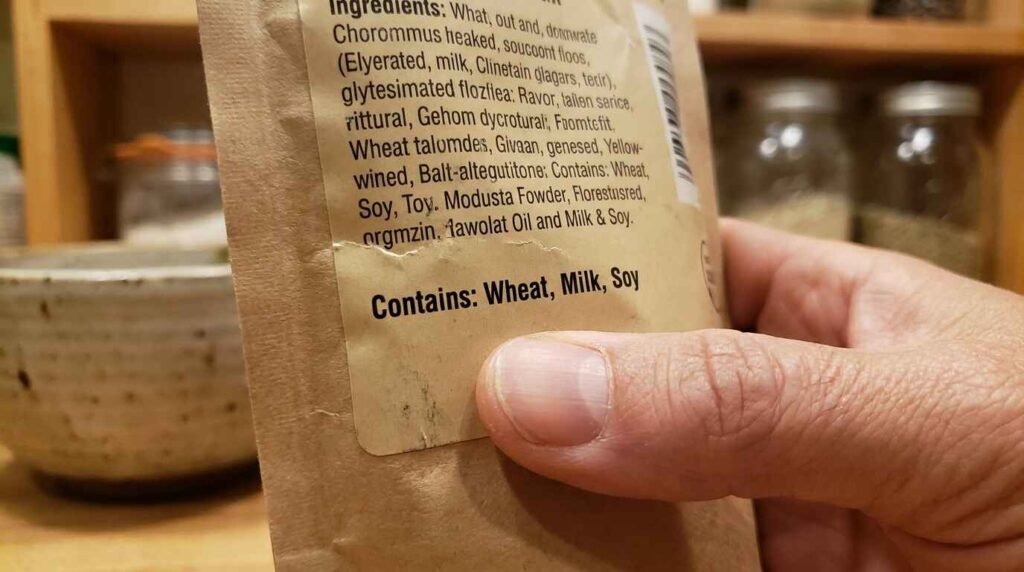
- The “Contains” statement at the bottom, which is usually bolded and lists major allergens directly.
- The “may contain” or “processed in a facility with” warning, which is technically voluntary labeling, but I treat it as a hard no regardless. Some families with less severe allergies make different calls here, but given our history, we don’t take that risk.
I also started using the app Spokin, which lets you scan a barcode and flags known allergens for a specific product, cross-referenced against other parents’ reported experiences with that brand. It’s not perfect and I still read the label myself every time, but it’s caught a couple of things I might have missed on a quick scan, especially with products that reformulate without much fanfare.
The Safe Swaps I Actually Rely On
These aren’t hypothetical “you could try” suggestions. These are the specific products sitting in my pantry right now that I’ve used for years without an issue.
Sunflower seed butter (SunButter brand specifically) replaced peanut butter in basically every application, sandwiches, on apple slices, mixed into oatmeal. It’s made in a peanut-free and tree-nut-free facility, which matters as much as the ingredient itself. The taste is close enough that my older kid, who doesn’t have the allergy, genuinely prefers it now.
WowButter, a soy-based butter, is our backup option, mostly because it has a texture that’s almost identical to real peanut butter, which is useful for recipes where texture matters more than flavor, like no-bake energy bites.
Enjoy Life brand for granola bars and chocolate chips, everything they make is produced in a dedicated allergen-free facility, no peanuts, tree nuts, dairy, or a handful of other common allergens. It’s become my default “grab this without double-checking every time” brand, though I still glance at the label out of habit.
Cerebelly or store-brand plain yogurt pouches instead of some of the flavored yogurt tubes that occasionally have cross-contamination warnings depending on the flavor and batch.
My Actual Weekly Lunch Rotation
Here’s what genuinely goes into lunchboxes in my house on a normal week, not a theoretical “healthy allergy-friendly” list pulled from nowhere.
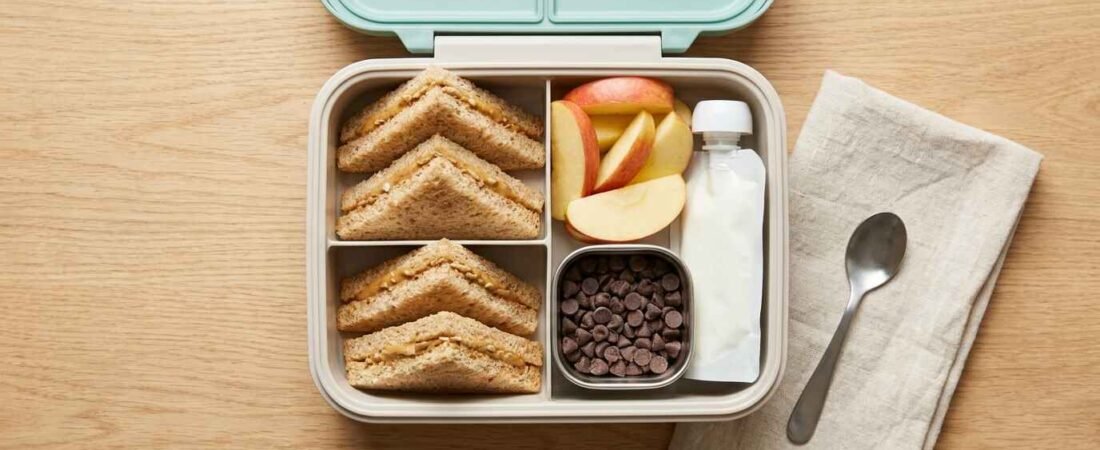
- Monday: Sunflower seed butter and honey sandwich on sunflower seed bread (yes, that’s a real thing, Nature’s Path makes one that’s produced peanut-free), apple slices, a small container of Enjoy Life chocolate chips
- Tuesday: Turkey and cheese roll-ups with a toothpick, cucumber slices, a Enjoy Life granola bar
- Wednesday: Leftover pasta from dinner the night before in a Thermos, packed hot so it’s still warm by lunchtime
- Thursday: Hummus (store-bought, checked against a peanut-free brand list) with pretzel crackers and baby carrots
- Friday: Cheese quesadilla cut into triangles, orange slices, a yogurt pouch
If you’re also trying to build out a rotation that doesn’t feel repetitive, I actually leaned pretty heavily on the batch-cooking habits I picked up from meal prepping for my old night shift job, having a few proteins and bases ready in the fridge makes packing lunches in a hurry so much less stressful, allergy or not.
Step-by-Step: How I Prep a Peanut-Safe Lunch Without Losing My Mind Every Morning
1. Do the grocery check once a week, not daily. I go through the pantry and fridge every Sunday and flag anything I’m not 100% sure about, rather than trying to remember label details fresh every single morning when I’m half-awake.
2. Keep a dedicated “safe zone” in the kitchen. We have one cabinet shelf and one section of the fridge that’s peanut-free, period, where lunch ingredients live. Nothing containing peanuts touches that shelf, even briefly.

3. Use separate cutting boards and utensils for anything peanut-adjacent. My older kid still eats regular peanut butter at home, just not for school lunches or in shared spaces. We have a specific cutting board, color-coded with a red silicone band around the handle, that’s the only one that ever touches peanut butter, and it gets washed and put away separately.
4. Pack the lunchbox the night before, not the morning of. This isn’t just about convenience — it gives me time to actually read a label carefully if I’m adding something new, instead of rushing while someone’s yelling that they can’t find their shoes.
5. Double-check anything going to a classroom party or potluck separately. Home-packed lunches are the easy part. Shared food at school events is where the real risk shows up, since you often can’t verify how something was made or what touched what.
6. Keep the emergency plan visible, not just filed away. Our epinephrine auto-injector instructions are taped inside the pantry door where every adult and babysitter in the house can see them, not buried in a drawer somewhere. This is the one part I’d genuinely push every allergy family to prioritize, alongside working with your doctor on the actual medical protocol.
The Scare That Changed How Careful I Am
About a year after the diagnosis, I got complacent. I’d been doing this long enough that I stopped double-checking a specific brand of granola bars we’d bought a dozen times before.
The company had reformulated the recipe, and the new version had a “may contain traces of peanuts” warning that hadn’t been there previously. I didn’t catch it. My son ate half a bar before I noticed something felt off about the packaging — it looked slightly different, which is actually what tipped me off, not the label itself.
He didn’t have a reaction that time, which I now realize was mostly luck. But it scared me enough that I completely changed my habit. Now, even brands I’ve bought for years get a quick label check every single time I buy them, not just the first time. Companies reformulate more often than people realize, and packaging changes are often your only visual clue that something’s different.
Common Mistakes to Avoid
Assuming a brand is safe forever just because it was safe once. Reformulations happen more than you’d think, and they don’t always come with a big announcement.
Relying only on the ingredient list and skipping the “may contain” warning. Even though it’s technically voluntary labeling, it’s there because manufacturers know cross-contamination is a real risk in their facility.
Not having a separate space for allergy-safe foods at home. If everything’s mixed together in one pantry and fridge, cross-contamination becomes almost inevitable eventually.
Packing something new for the first time on a school day. Test new products at home first, on a day when you’re around to watch for any reaction, not as a surprise addition to a lunchbox.
Forgetting that shared social events are riskier than home-cooked meals. Birthday parties, potlucks, and classroom celebrations are where most close calls happen, not the lunches you pack yourself.
Final Thoughts
Living with a peanut allergy in the house rewires how you think about food, permanently. It’s not dramatic every single day, most mornings, packing lunch is honestly pretty routine at this point. But that routine only exists because of a lot of trial, error, and one genuinely scary moment that made me take it more seriously than I already thought I was.
If you’re just starting this process, it gets easier. Not less important, but easier. You build habits, you find your safe brands, and eventually reading a label becomes as automatic as checking an expiration date. It just takes getting there first.