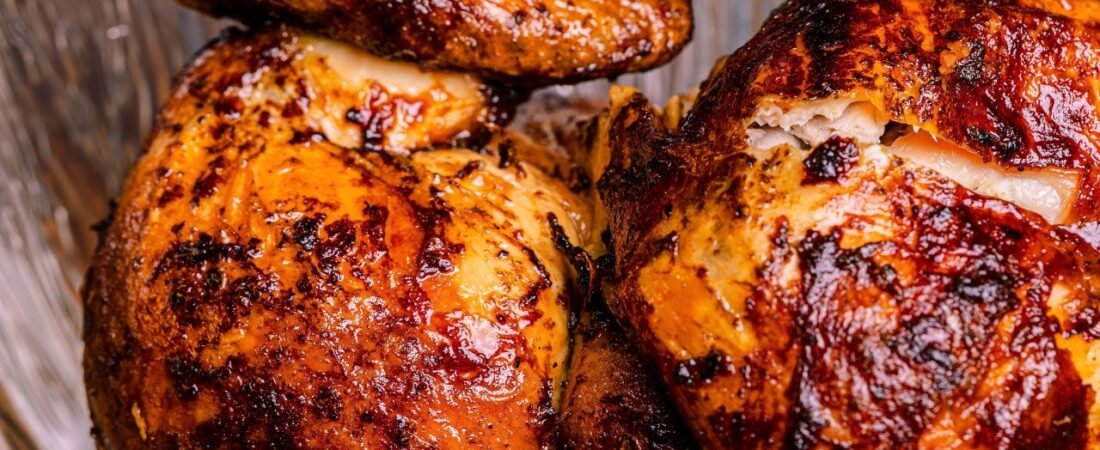
I once had a woman at the store look at me as I took two rotisserie chickens from the warmer and ask me, half joking, if I was feeding an army. I told her it was four meals for a family of four and she looked at me like I had spoken a foreign language. And I get this reaction pretty much every time I tell someone I buy a rotisserie chicken for one meal and then eat whatever is left over a few days later.
I’ve been there, done that. One chicken, one meal, whatever was leftover sat in the fridge until I remembered it and it went in the trash with that same guilty feeling that I’d thrown away what I’d already paid for in the first place. It was only when we were forced to tighten our budget that I finally learned how to extend a seven dollar chicken and I’ve never looked at it the same since.
Why Rotisserie Beats Buying the Parts Yourself
But first, a quick word of clarification here – that’s the reason this all works out financially. For the price of a rotisserie chicken at nearly every grocery store I’ve shopped at in the US ($6-8) you get a cooked, seasoned, use-ready meal in a package. You would pay more than that per pound just in raw chicken (both breast and thigh meat) in nearly every store I’ve been to before you’ve even baked it or prepped it yourself.
You’re not just making your life easier. More often than not, you’re actually saving money as well – which is what made me finally stop thinking of a rotisserie chicken as a quick and easy shortcut and start realizing that it was one of the smartest single buying decisions I made all week long.
Breaking the Bird the Second I Get Home
The Number 1 mistake I’ve made for years is keeping the chicken in the fridge whole and eating away at it throughout the week. This causes it to dry out quickly and you end up with no real way of figuring what you’re getting.
Approximately 15 minutes after I reach home, while it’s still lukewarm, I debone the entire chicken (it pulls right off much more easily when lukewarm than when completely cold). I do this by creating separate piles on the cutting board: breasts, thighs/legs, wings, skin, and the leftover carcass with its bones. All of these go into individual containers or plastic bags before refrigeration.
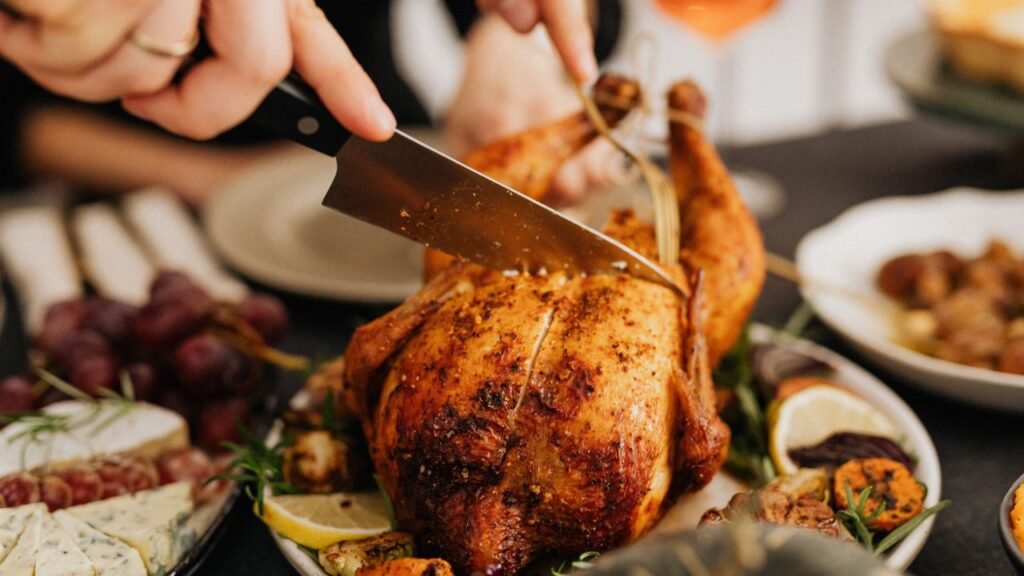
This one habit changed everything, because instead of a whole chicken sitting there all lumped into one mass of “dinner,” I have four or five visibly distinct ingredients with a ready-made plan for how to use it.
What Each Part Actually Becomes
The breast meat, then, can be shredded or cubed for one of the week’s lightest, most sauce-challenged meals. In my house that’s typically chicken salad, combined with a bit of mayo, some celery and a splash of lemon juice, served over greens or on a sandwich. This breast meat will be the driest if it’s not eaten relatively soon, so it’s usually the first thing I cook with.
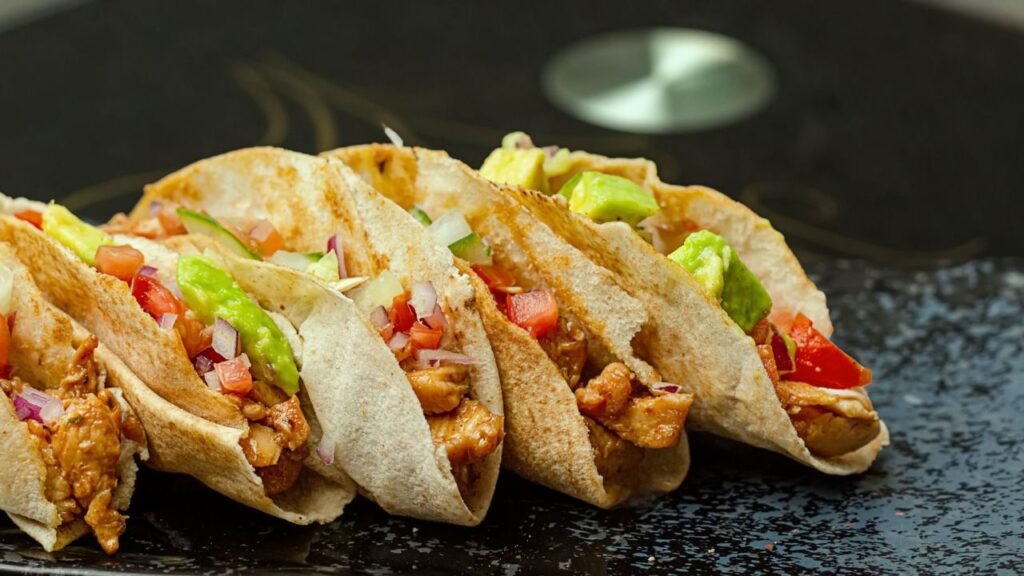
The darker meat of the thigh and leg (which also retains moisture and flavor better than breast meat) is put to use in a dish that packs a little more punch, like tacos or a quick chicken fried rice. The deeper flavor of dark meat can stand up to heavy seasoning better than breast meat, a realization I didn’t have until I began separating the two.
The wings–well, if any remain after everyone eats a couple or three right off the cutting board during breakdown–go into whichever soup gets made later in the week. They don’t have much meat left on them that’s usable, but they add good flavor to a broth.
The skin, which most of us throw away right away, I heat in a really hot dry pan, un-oiled, until it crisps, another few minutes. I crush it right in the pan with my fingers and sprinkle over dishes that need a bit of crunch and flavor, like fried rice or soup. It took me too long to start doing this, considering how much flavor was just wasted.
The carcass and every last scrap of bone, with no exceptions, all end up in a stockpot or slow cooker with some water, an onion, a handful of carrots, and any herb stems I’ve saved, and simmered for several hours. That is the stock that serves as the basis for our fourth dinner (almost always a soup), and it’s nothing at all like the stuff you’d buy in a carton.
Post navigation Previous These Four Dinners Really Do Go In Next…
Timing is not really more than a day off here. The chicken salad happens first because I generally prefer to eat the breast meat within the first day or two (it does fine in the fridge for a few days, but is better earlier), and the tacos or fried rice are next, usually two days in or so, as dark meat is much more forgiving and can go longer. The stock is something I cook on the second or third day whenever I have a free hour or two, and then I strain and cool and store it. The next day or two, I make whatever it’s meant to be, with whatever wing and veggie meat is left on hand.
By doing it that way then no something is sitting around after it has lost it’s good flavor, then it also manages to spread that real cooking out over the week rather than putting it all into a crazy number of hours at once.
A Rough Breakdown of the Four Dinners
Chicken salad sandwiches with the breast meat – so much mayo, so much celery, so much bread – are virtually cost free, since the only additional cost was the existing cost of chicken from an entire bird. Tacos with the dark meat added may run a couple of dollars more because you need cheese and tortillas. Fried rice in place of tacos is perhaps a dollar or so more because you are mainly relying on already-in-the-pantry ingredients, like you could if you wanted to make a quick version of the 10-minute egg fried rice I do sometimes on nights when the fridge is essentially empty.
The final soup, using the base of your stock and a handful of vegetables, might cost another three or four dollars (or more, depending on what is in season).
Add it up and a dollar-cost-averaged seven dollar chicken will get you four real meals for a family of four for somewhere around fifteen to eighteen dollars total, or under five dollars a meal.
The Night I Attempted to Extend It to a Fifth Dinner
Just to be fair, I’ve gone too far on this before. In a very tight week, I actually attempted to squeeze a fifth meal out of one bird by making a second, smaller pot of soup with the already-saved stock the second go-round-that is, second and essentially third brew of chicken bones that already think they’re drained of everything they’ve got in the first one.
It was watery, it was bland, and all you could really detect on the side was the merest hint of chicken aroma. The children ate it obediently and happily enough, but it was immediately apparent to me it was barely enough to scrape along on and not the actual meal we could have had. That was the week I learnt four dinners really is the practical limit for one properly cooked chicken, and trying to force a fifth can only water it down.
Where This Habit Came From
The entire system really coalesced during that same period of feeding a family of four on $50 a week, when nearly every item I purchased had to prove its value repeatedly before I would purchase it again. My ro-tisserie chicken breakdown became one of the most dependable elements of that budget, and the concept survived long after that financial stress lifted.
Four Dinners, One Bird, Every Single Time
It’s been about two years since I began dissecting a rotisserie chicken as soon as I walk in the door, and I honestly can’t imagine ever returning to a time when I bought one chicken and ate it in one shot, relegating the carcass to refrigerator purgatory. It adds up, it makes sense, and after you do it a few times, it doesn’t take much more time than simply diving into the chicken.
If you’re a rotisserie chicken buyer and you get one or two meals (or less) out of it before the rest is just thrown away, you should give this a go sometime and see what a seven dollar chicken can really do.